| And Biodiversity



















Interdisciplinary Curriculum

Integrating biodiversity modules into non-biological degrees such as Economics, Civil Engineering, and Law.
Campus Living Labs

Managing university grounds as active restoration sites for real-world biodiversity recovery studies.
Open-Access Data Repositories
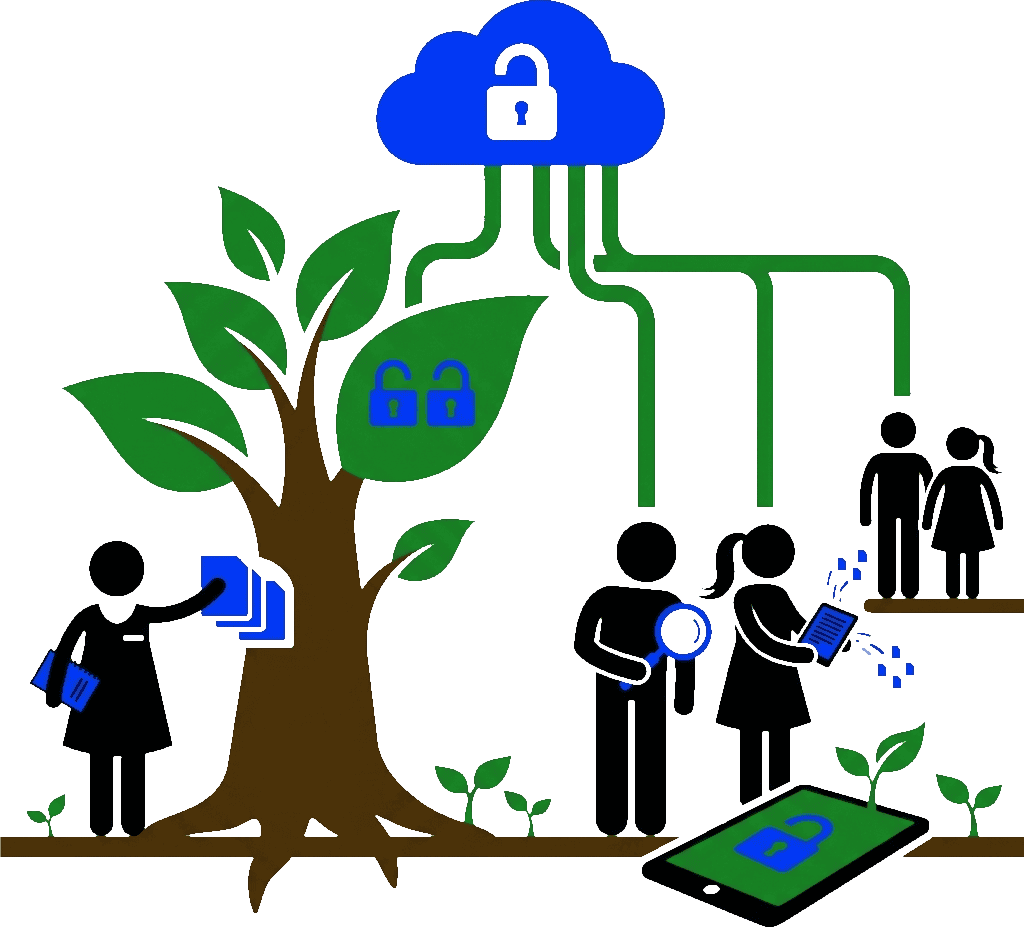
Ensuring all biodiversity-related research and data are freely available to policymakers and the public.
The Nexus Research Focus

Prioritizing studies that examine the intersection of climate change, pollution, and biodiversity loss.
Public Science Communication

Training scientists to translate complex ecological data into actionable narratives for the public.
Circular Economy Transition
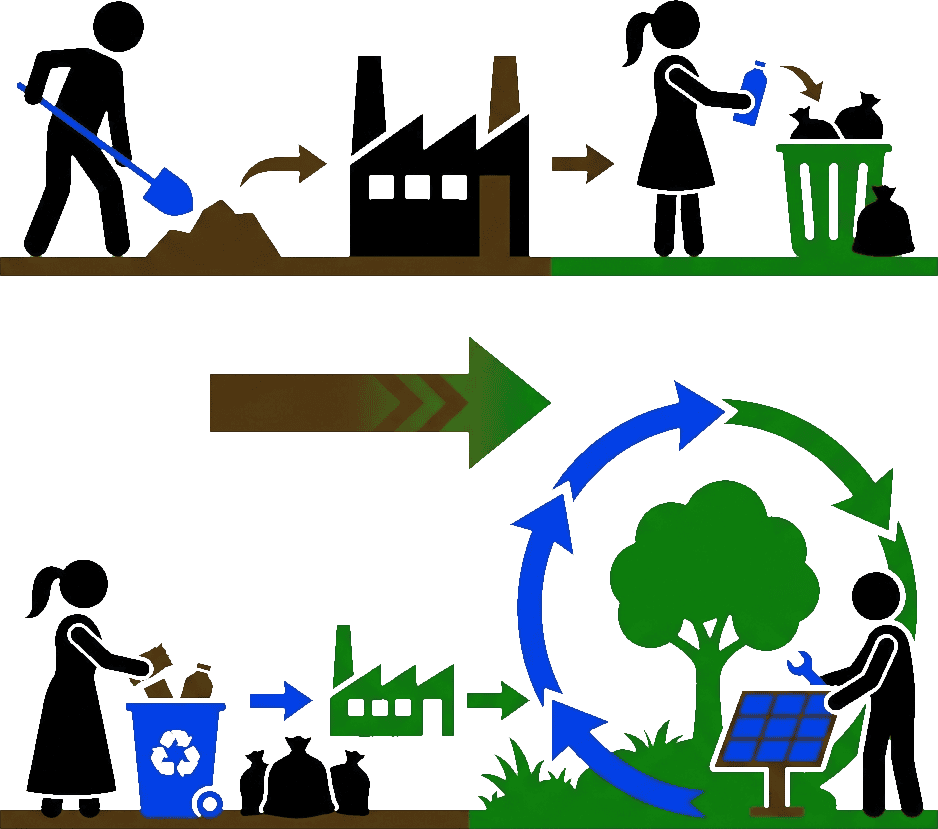
Moving away from take-make-waste models to reduce demand for raw materials and habitat destruction.
Zero-Deforestation Supply Chains

Implementing rigorous tracking to ensure supply chains do not contribute to the clearing of primary forests.
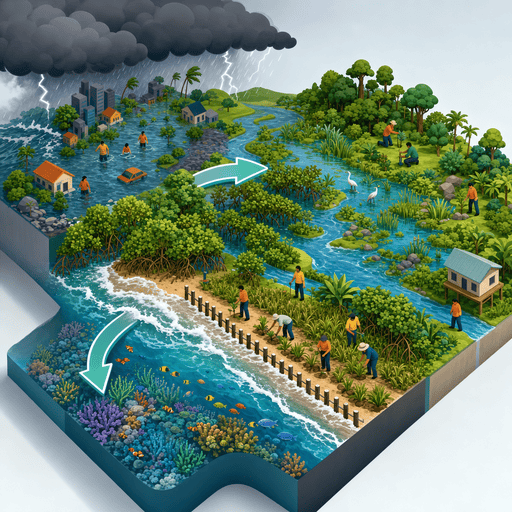
Nature-Based Solutions (NbS)
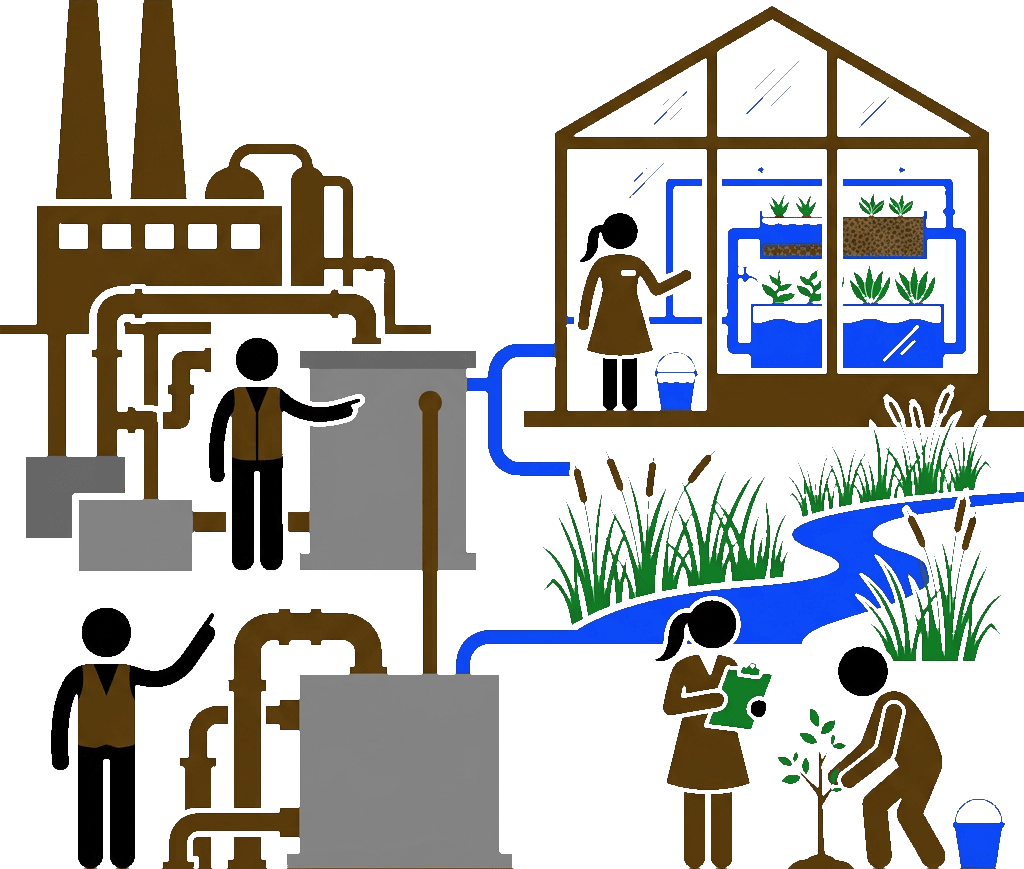
Investing in natural systems like wetlands for water purification rather than traditional grey infrastructure.
Internal R&D for Alternatives

Developing new materials, such as biodegradable polymers, to reduce pressure on natural ecosystems.
Biodiversity KPIs

Including biodiversity health metrics in annual reports to hold executives accountable for nature-related outcomes.
Citizen Science Participation

Utilizing mobile apps and community platforms to engage the public in tracking local species and contributing to ecological datasets.
Rewilding Private Spaces

Transforming traditional lawns and balconies into micro-habitats using native plants to support local pollinators.
Nature-Label Awareness

Supporting third-party verified biodiversity-friendly labels on consumer goods to drive market demand.
Community-Led Land Trusts

Creating local organizations that purchase or manage land specifically for biodiversity restoration.
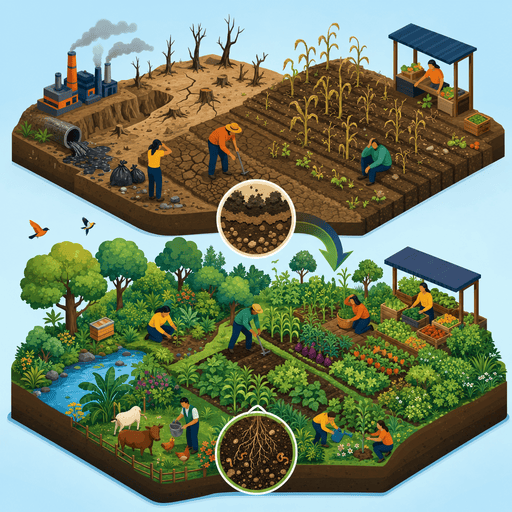
Dietary Shifts

Promoting a shift toward diverse, locally adapted food sources that require less land and chemical input.
Subsidy Reform
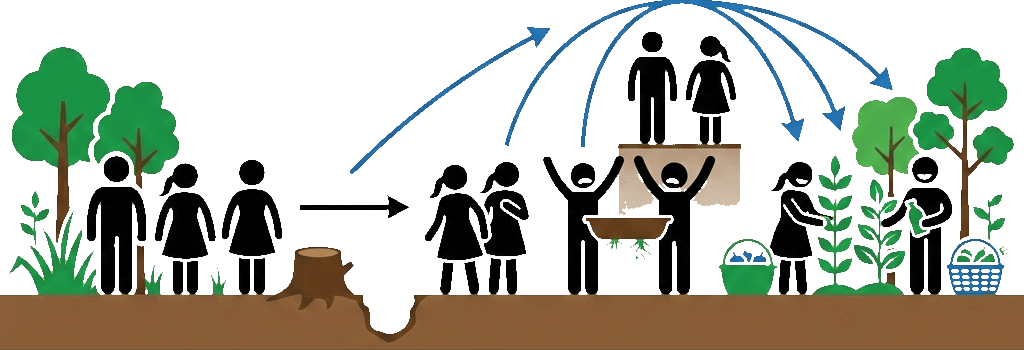
Redirecting financial support from harmful agricultural, fishing, and extractive practices toward regenerative and nature-positive activities.
Natural Capital Accounting (NCA)

Integrating biodiversity and ecosystem services into national accounts to reflect the true wealth of a nation’s natural assets beyond GDP.
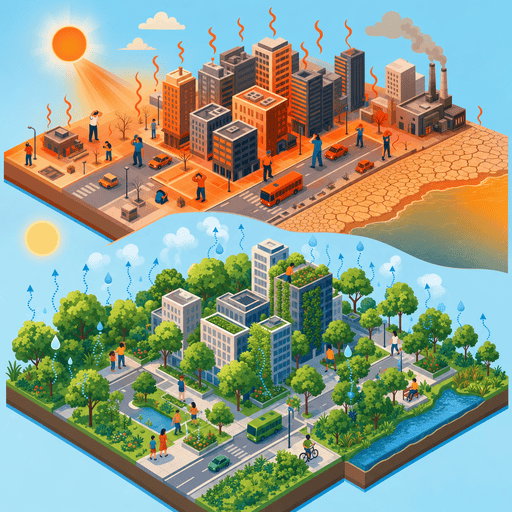
Urban Green Infrastructure

Mandating nature-inclusive urban planning, such as wildlife corridors, green roofs, and permeable surfaces in all new developments.
Public Procurement Standards

Requiring that all government-sourced materials meet strict zero-deforestation and high-biodiversity-standard certifications.
National Education Curricula
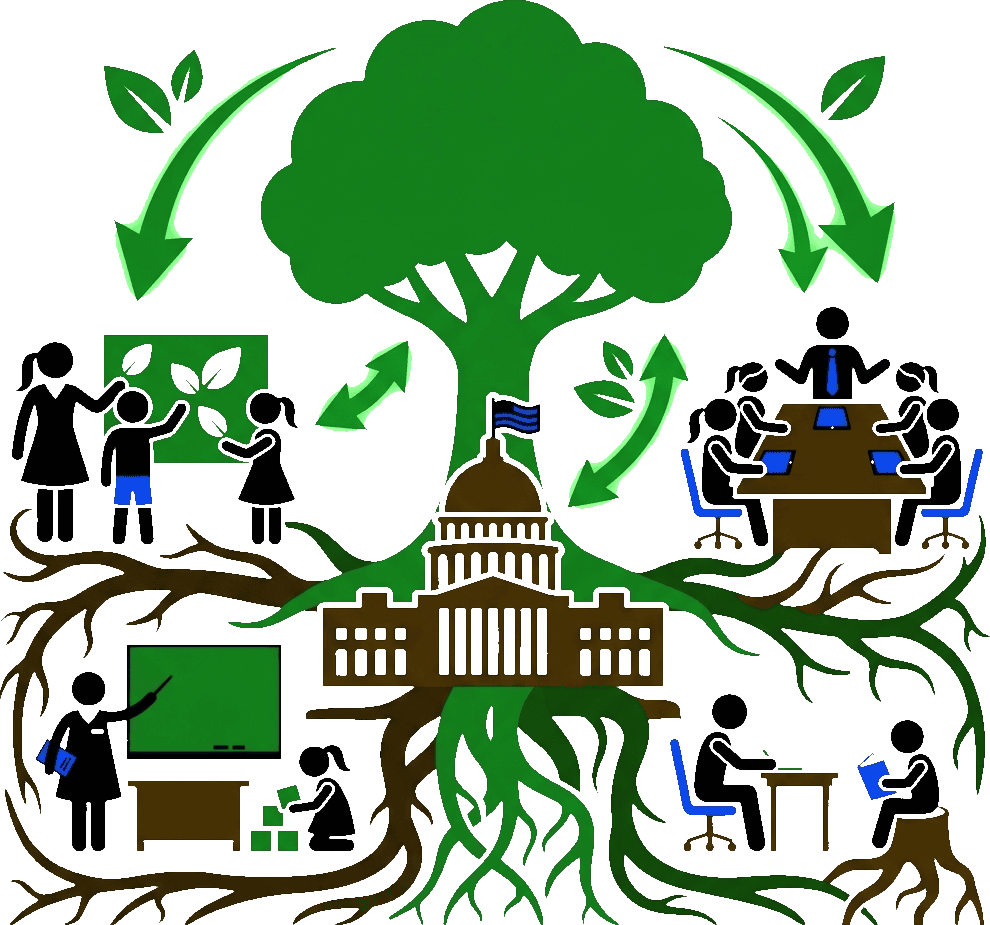
Embedding ecological literacy into primary and secondary education as a core competency.
Debt-for-Nature Swaps

Facilitating agreements where a portion of a nation’s foreign debt is forgiven in exchange for local investments in conservation.
Harmonized Monitoring Protocols

Developing global standards for biodiversity data to ensure transparency and comparability across borders.
Transboundary Conservation Areas
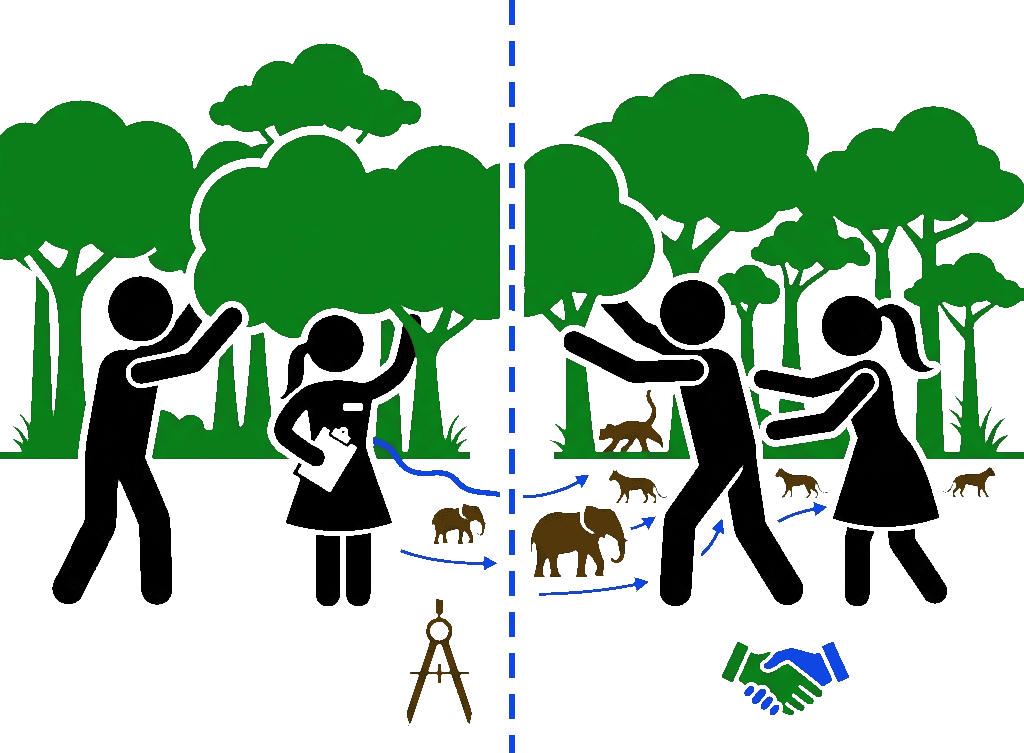
Coordinating the management of ecosystems that span national borders to ensure ecological connectivity.
The Nature-Positive Benchmark

Establishing science-based targets for international trade and aid that require a net gain for biodiversity.
Mainstreaming in SDGs

Ensuring biodiversity conservation is treated as a foundational prerequisite for achieving all UN Sustainable Development Goals.
High-Impact Restoration Projects
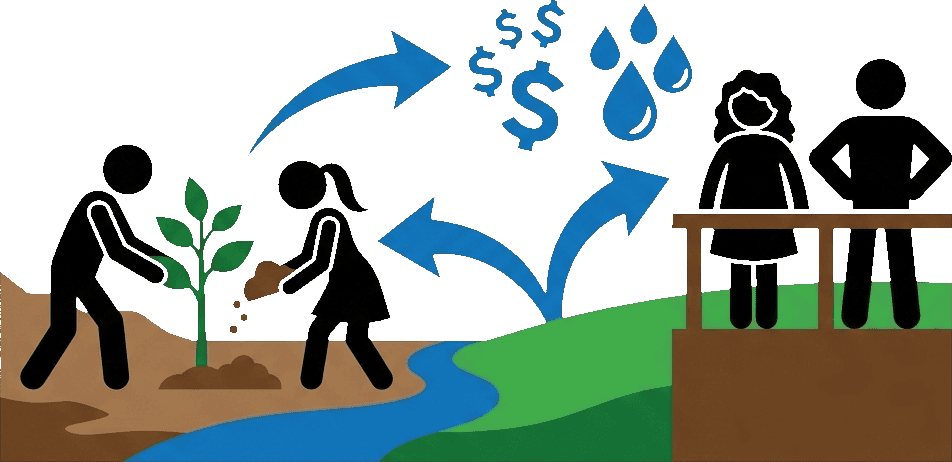
Executing large-scale projects that demonstrate the economic and social benefits of healthy ecosystems.
Corporate-NGO Partnerships

Providing technical expertise to help corporations map footprints and implement restoration strategies.
Flagship Species Campaigns
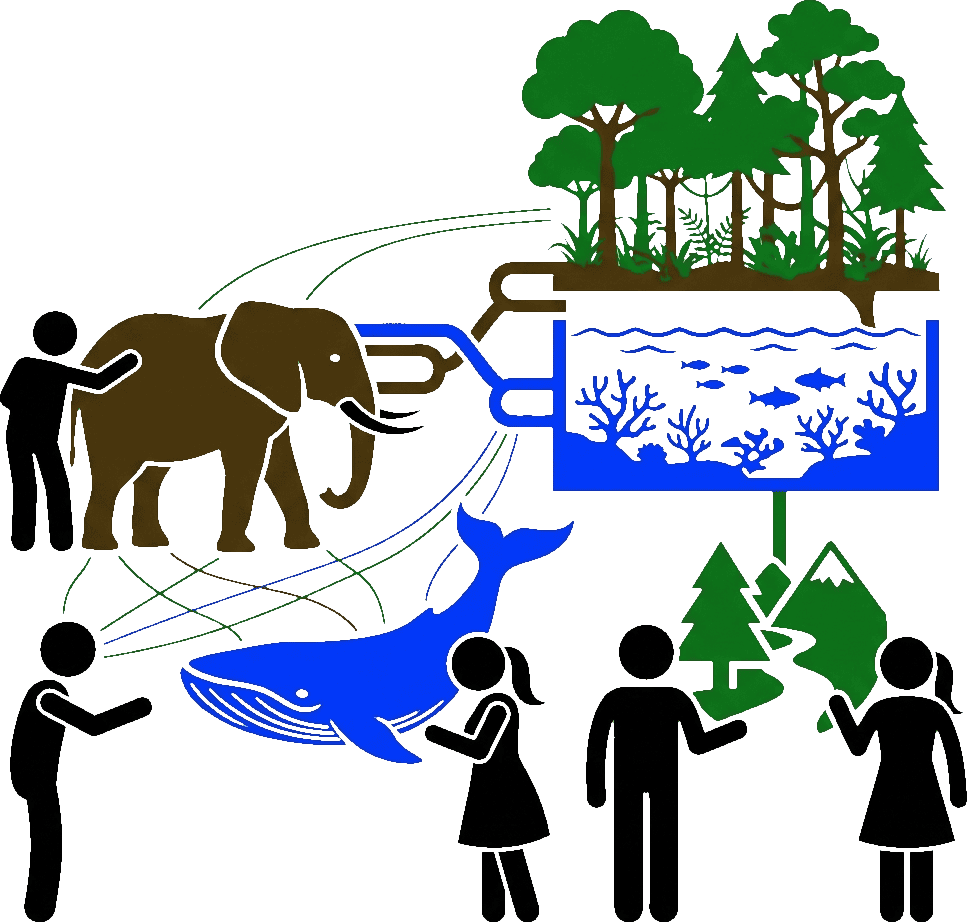
Using charismatic local species as ambassadors to connect people emotionally to broader ecosystem health.
Local Biodiversity Toolkits
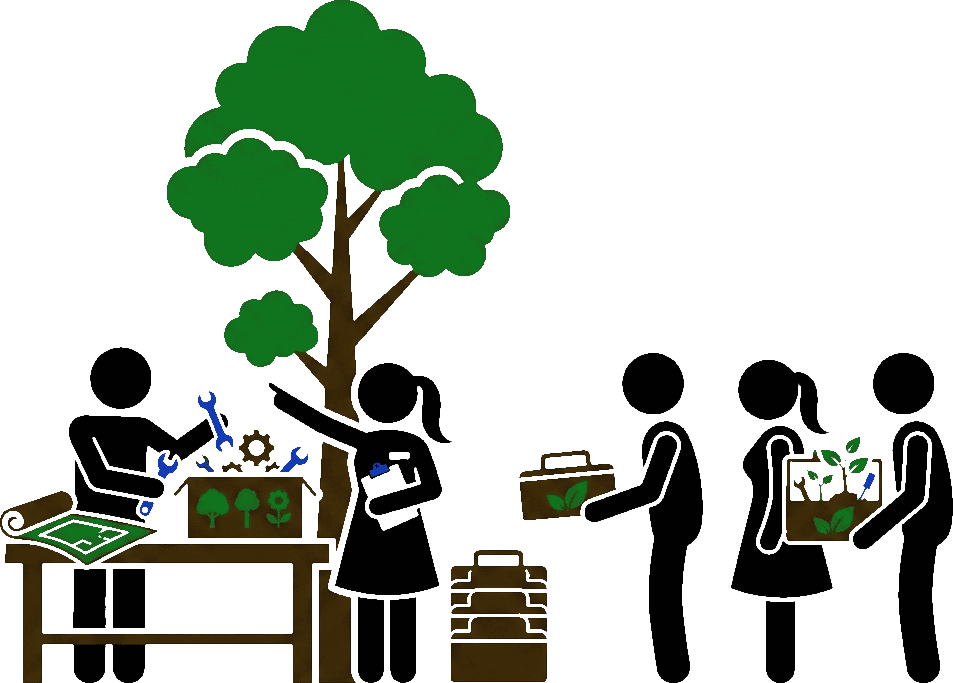
Developing accessible guides for small-to-medium enterprises to integrate nature-positive steps.
Policy Advocacy

Mobilizing public support to lobby for stronger environmental protections at local and regional levels.
Biodiversity in Accounting

Adopting standards for Nature-related Financial Disclosures (TNFD) to track professional impacts on nature.
Certification for Architects and Engineers

Creating professional designations for experts specializing in biomimicry and nature-inclusive infrastructure.
Legal Rights of Nature

Advocating for the recognition of ecosystems as legal entities with standing in court.
Continuing Professional Development (CPD)
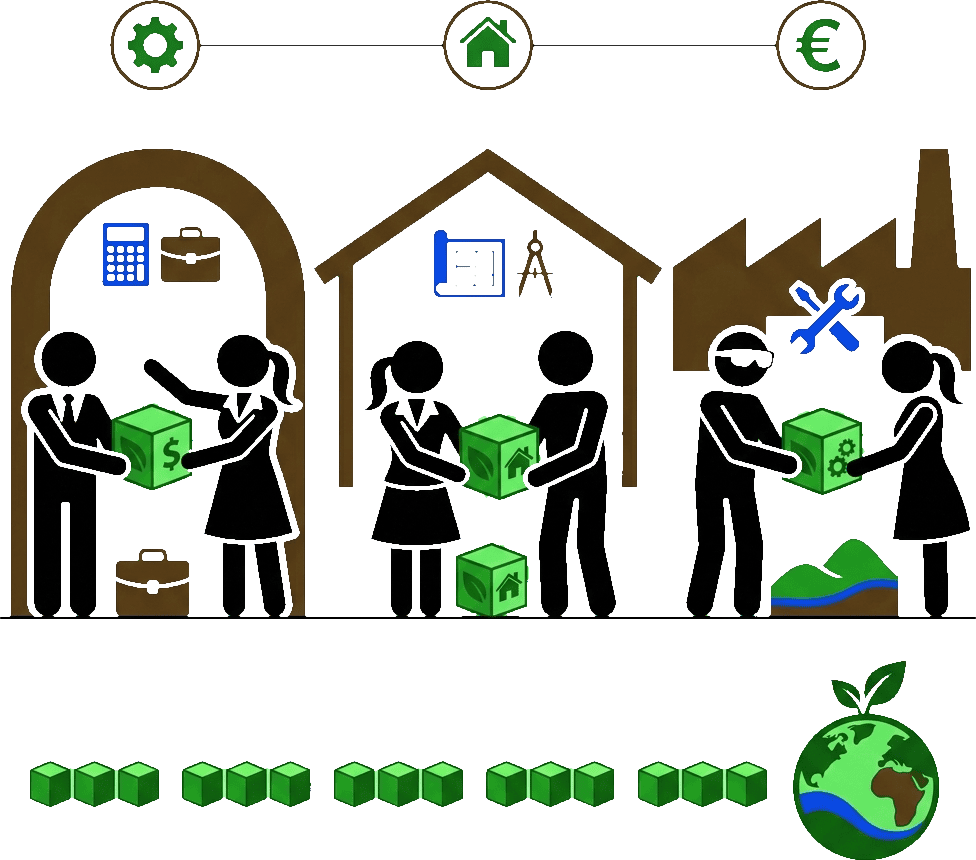
Requiring annual training on ecosystem services for professionals in finance, real estate, and manufacturing.
Ethical Codes of Conduct

Updating professional oaths to include a commitment to preventing the irreversible loss of species.